


Got mold? Don’t panic, but don’t ignore it. Here's what it really means for your Atlanta home sale and why investors may still be interested.
Mold is one of the most common, and misunderstood, issues in residential real estate. For traditional buyers, it can be an instant dealbreaker. But for experienced investors, it may not be a big deal at all. If you’re wondering how to sell a house with mold in Atlanta, the first step is understanding the risks, your options, and how today’s market works.
How mold impacts home value and buyer confidence
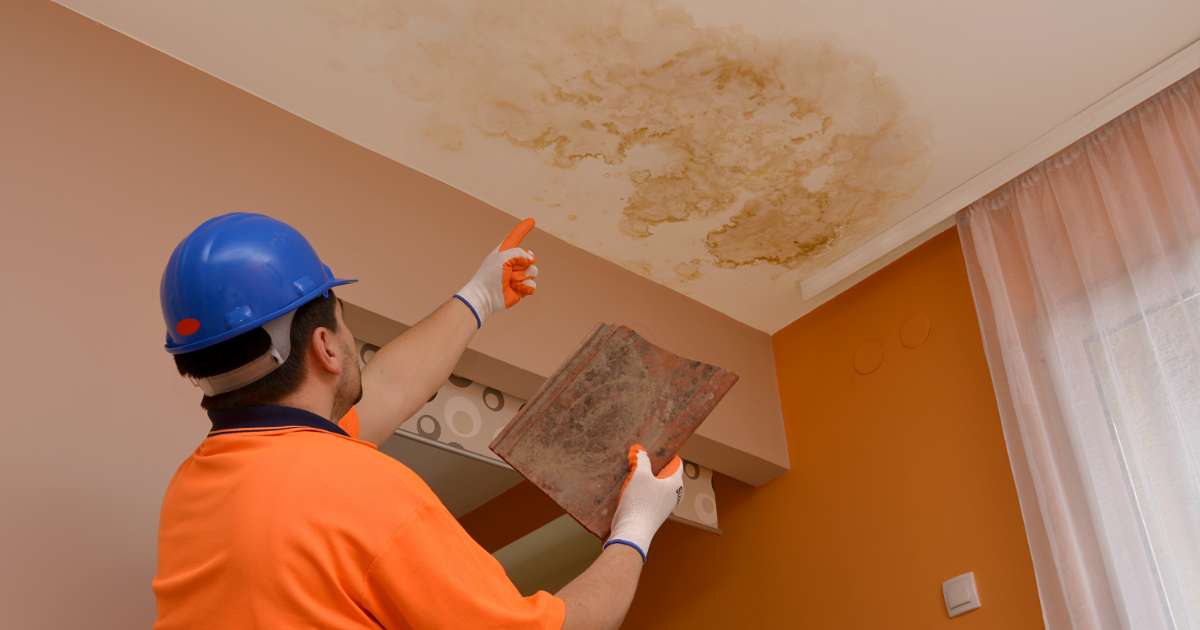
Mold isn’t just a cosmetic problem. Buyers often associate it with poor maintenance, potential structural issues, and health risks. Even minor mold growth can raise red flags during the home inspection and send potential buyers looking elsewhere.
According to Restoration Master Finder, an online directory that connects homeowners with restoration service providers, mold can reduce a home’s value by up to 30%. It can also limit your buyer pool, especially among first-time home buyers or those financing through FHA or VA loans, which may require clean inspections.
Why mold is common in Atlanta houses
Atlanta’s hot, humid climate makes mold a year-round concern. Mold thrives in moist environments, which means homes here are especially vulnerable inside:
-
Bathrooms and kitchens with poor ventilation
-
Basements and crawl spaces
-
Attics with roof leaks or poor airflow
-
HVAC systems or behind drywall after past water damage
With frequent rain and muggy summers, keeping mold at bay in Georgia can be a challenge even for diligent homeowners.
Mold and the home inspection process
In a traditional home sale, the inspection is where mold becomes a major issue. Even if the problem is small or hidden, a mold finding in the report can:
-
Scare away buyers
-
Lower the appraised value
-
Trigger requests for mold remediation or seller concessions
-
Delay or derail closing
If the buyer is financing, mold may prevent them from securing a mortgage, especially with government-backed loans. This uncertainty can add stress, time, and cost to your sale.
Legal requirements and disclosures in Georgia
In Georgia, sellers are required to disclose known material defects, including mold. If you fail to do so and the buyer discovers the issue later, you could face legal action. Even if you’re selling your house “as is,” disclosure is still required if you’re aware of the problem.
Being upfront about mold, even in an off-market sale, helps build buyer trust and avoids disputes. Transparency benefits both parties and keeps the closing process moving.
Mold remediation: cost vs. potential payoff
Wondering how to fix mold before selling? That depends on the extent of the damage. Minor surface mold in a bathroom can often be cleaned with store-bought solutions. But larger infestations, especially inside walls or HVAC systems, typically require professional help.
How much does mold removal cost?
According to HomeGuide, a home improvement platform that connects homeowners with local contractors, mold remediation typically costs between $1,500 and $6,000 for most projects.
While mold remediation can improve your home’s value and make it easier to sell, it doesn’t guarantee a full return on investment. In many cases, homeowners choose to sell their house with mold “as is” to avoid the expense and hassle.
Why investors like HomeVestors® still buy houses with mold
Unlike traditional buyers, investors are often willing to purchase homes with mold issues. Why?
-
They buy homes to renovate, to rent, or for resale.
-
They have established relationships with remediation contractors.
-
They’re not relying on a mortgage or lender inspections.
-
They’re used to buying homes “as is” and can handle the risk.
That’s why companies like HomeVestors® buy houses others pass on, including properties with water damage, mold, or deferred maintenance. If your goal is to sell your house with mold fast and avoid repairs, an investor can be a good option.
What Atlanta sellers should know: mold and the off-market option
If you’ve discovered mold and need to sell, you have a few options:
Option 1: Remediate and sell on the open market.
Invest in professional mold removal, document the work, and list your house at market value. This can take time and money but may lead to a higher selling price.
Option 2: Disclose and sell “as is.”
Be honest about the issue and sell your house with mold to an investor or off-market buyer. You’ll avoid repairs and close more quickly, but you may receive a lower offer.
Option 3: Do partial fixes.
Clean up what you can, fix the source of moisture, and provide documentation. This shows good faith to buyers and may reduce pushback during negotiation.
Quick home-selling tips if you’re dealing with mold:
-
Improve ventilation in bathrooms and kitchens.
-
Address leaks and drainage issues early.
-
Don’t try to hide mold—it usually shows up in inspections.
-
Document any remediation steps you’ve taken.
Sell your Atlanta house with mold, without the hassle.
Mold may complicate a home sale, but it doesn't have to stop you. If the idea of mold remediation, uncertain inspections, or losing buyers sounds overwhelming, there's another way.
If you're looking to sell your house with mold in Atlanta, HomeVestors may be the right fit. We specialize in buying houses “as is,” including homes with mold damage. You don’t need to clean, make repairs, or schedule showings. We cover typical closing costs†, don’t charge commissions or hidden fees, and can help you move forward on your timeline.
If you’re ready to skip the stress and sell your house fast, reach out to our trusted local team today. We’ll walk you through the process and help you sell with confidence.
This blog is for informational purposes only and should not be considered legal advice.
