


When it comes time to sell your house in Atlanta, chances are you'll have to deal with a home inspection. For most home buyers, it’s a necessary step before closing the deal. Inspections can uncover problems that you didn’t even know existed. Depending on what the inspections uncover, they could affect your home value or even cause a sale to fall through.
To make the most out of your home sale, you need to know some of the most common home inspections in Atlanta, what inspectors usually look for, how inspections can affect your sale, and what to do if you’d rather skip inspections while you’re selling.
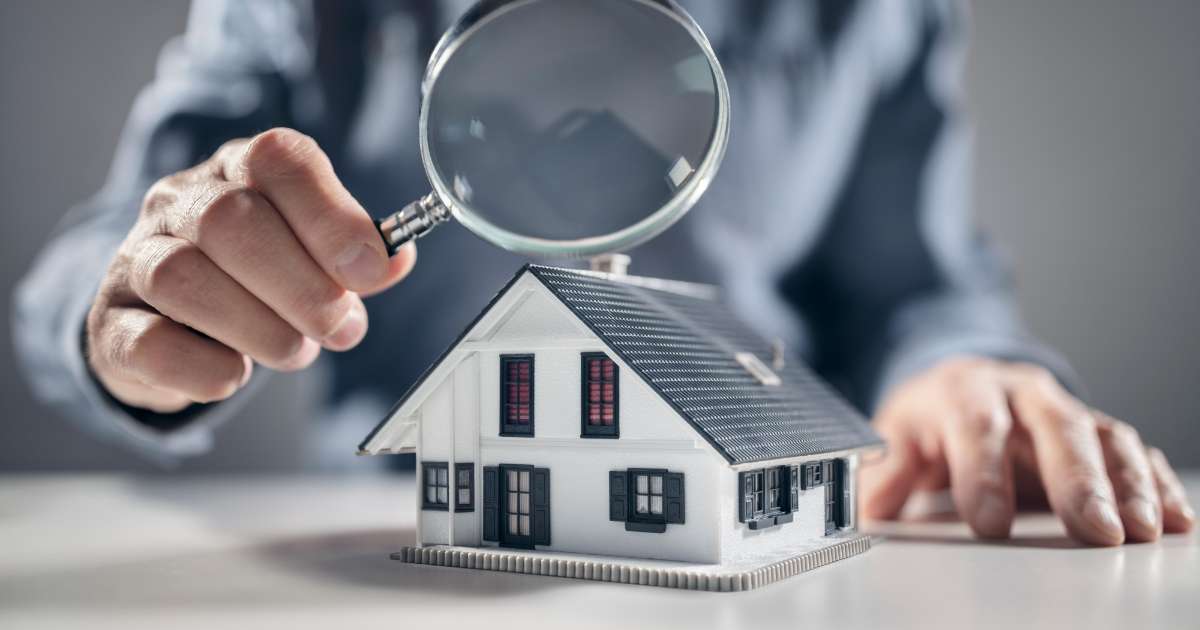
Why are home inspections important?
A home inspection is when a professional checks out the overall condition of a house, including the roof, plumbing, and electrical systems. It’s a big part of the selling process because it helps buyers feel more confident, cuts down on surprises, and keeps everything honest and upfront.
Home inspections in Atlanta are especially important because of things like humidity, older homes, and common issues like termite damage or outdated systems. Many buyers request home inspections before purchasing a property, and they may even have inspection requirements from their lenders if they are using a loan to fund the purchase.
What inspectors look for during an inspection
Here’s a quick rundown of the most common inspections Atlanta home sellers will face:
1. General home inspection
This covers the basics:
-
Roof, walls, and foundation
-
Plumbing, electrical, and HVAC
-
Doors, windows, and insulation
In Atlanta, inspectors often find things like roof damage from storms, cracks in the foundation, or worn-out HVAC systems due to humidity. These are the things home buyers notice first and may use as leverage to ask for repairs or a lower price.
2. Termite and pest inspection
Atlanta’s warm, damp climate is a perfect breeding ground for termites and other pests. That’s why a termite check is often required. In many cases, sellers need to provide a termite clearance letter to close the sale.
3. Mold inspection
Getting a mold inspection in Atlanta is very common, especially in older houses or ones with previous water damage. Inspectors look for signs of moisture, water stains, or musty smells. Mold is a health concern, and buyers will often walk away if it's not dealt with.
4. Radon testing
Radon is a naturally occurring gas that can build up in homes, and parts of metro Atlanta have elevated levels. Radon inspections are done using test kits that measure gas levels over a couple of days.
5. Septic system inspection
If your house isn’t on a city sewer line, a septic inspection checks the tank, pipes, and drain field. You’ll want to have records of recent pumping or maintenance on hand, especially if your house is in a more rural or suburban part of Atlanta.
6. Lead paint inspection
If your house was built before 1978, it might still have lead-based paint. Inspectors test painted surfaces, and sellers are required to disclose any known risks. This is an important part of the inspection process, especially for older homes, but it’s often overlooked by sellers and even some buyers.
7. Specialty inspections
Sometimes buyers ask for extra inspections, like for fireplaces, foundations, or HVAC system checks, especially if something looks off during the general inspection.
If you’re selling a house with a pool, inspectors will check the structure, filters, pumps, and safety features like fences and alarms. These inspections are more common in luxury or suburban Atlanta houses.
While buyers usually arrange and pay for these inspections, keep in mind that as a seller, you may still need to complete some or all of them during the sales process—especially if issues are found. And if you make repairs, certain inspections may need to be repeated to confirm the work was done correctly.
How much do home inspections cost?
Home inspection costs in Atlanta can vary depending on the size and age of your property, but they typically range from $325 to $400 for a general inspection, according to Houzeo, an online platform that helps homeowners list and sell their properties without a traditional agent. Add-on inspections (like radon, mold, or pests) can increase the price by a few hundred dollars. While buyers usually pay for these, some sellers choose to do a pre-listing inspection in Atlanta so they know what to expect and can fix things ahead of time.
How home inspections affect the selling process
Depending on the outcome of your home inspection, it can influence:
-
Negotiations: Buyers may ask for repairs, credits, or a price adjustment.
-
Delays: Some buyers back out completely if major problems show up.
-
Disclosure: In Georgia, sellers are not legally required to disclose known issues unless asked directly, but discrepancies or omissions can lead to buyer distrust and jeopardize your sale.
Skip inspections and sell your house “as is.”
Not every property will pass a home inspection easily. If your house needs a lot of work or you just don’t want to deal with all the back-and-forth, there’s another way: you can sell your house “as is” with HomeVestors® in Atlanta.
Here at HomeVestors, we buy houses and other types of property all over Atlanta, in almost any condition. That means:
-
No inspections
-
No repairs
-
No cleaning
With our 3-step home-buying process, you can skip the hassle and avoid the typical home inspection in Atlanta. We don’t charge agent commissions or hidden fees, and we also pay all typical closing costs.† Whether you’re dealing with mold, termites, outdated systems, or major repairs, we can help you sell your house fast and stress-free.
Ready to skip the stress of home inspections in Atlanta? Reach out to HomeVestors to get a complimentary consultation and see how easy it can be to sell your house “as is.”
This blog is for informational purposes only and should not be considered legal advice.
